LEGO Workshops

By: Margo Rooijackers

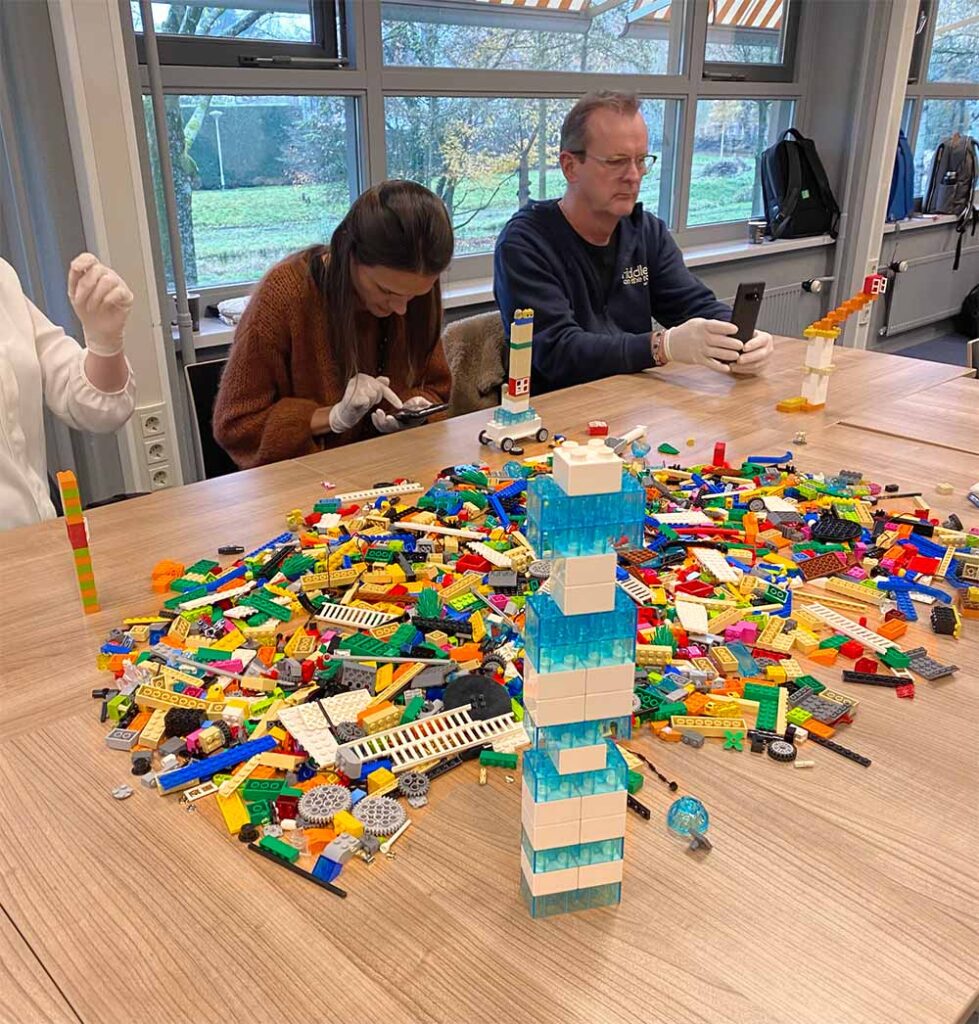
The series for LEGO Workshops are very useful for all kinds of complex situations, not only for organizations but also for individuals. This one was perfect for reflecting on ourselves and how we relate to others. Having a palpable prototype of the vision in our minds helps to discover new levels of meaning.

SMART CITY

By: Jessika Weber

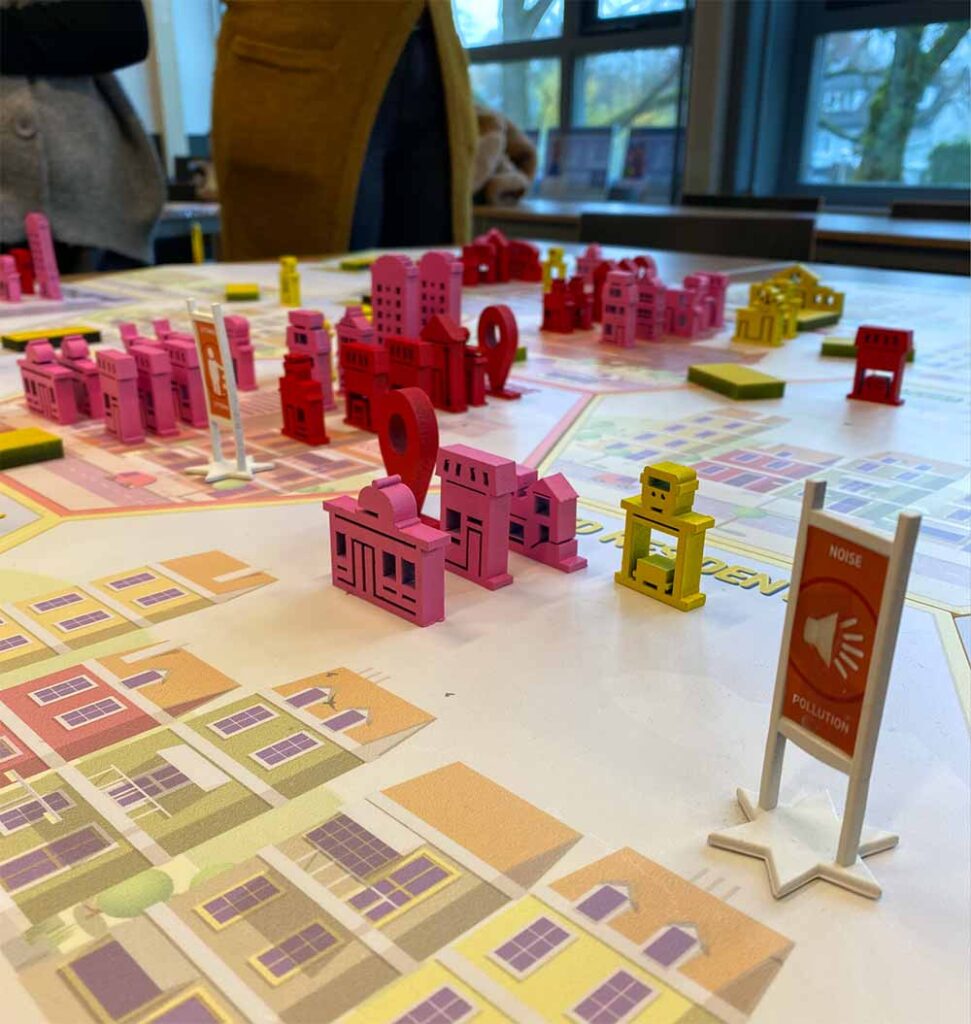
The Smart City game brought some insights into how complex the desition making in cities government can be. Also, we could see in practice how the gamefulness theory works. This game put every aspect of real life in place, so we could play around with every variant and get the feeling of a real-world with the opportunity to fail.

GAME Design

By: Jonathan Clark

Knowing the steps of Game Designing is such a wonderful experience since every complex situation also demands a different approach each time. It is fun to do and from an organizational perspective. It is advantageous as the game is designed to suit the actual situation and deal with it from a playfulness perspective.

SUMMARY

Serious gaming to stimulate participatory urban tourism planning

Ko Koens , Jeroen Klijs , Jessika Weber-Sabil , Frans Melissen , Lidija Lalicic , Igor Mayer , Irem Önder & Carlo Aall

This game was built by researchers in Breda University os Applied Sciences, in an aim to approach the complexity of the system, it combines a triple-p (people, planet, profit) conceptualization that is commonly used to define sustainable tourism.


The framing of this game is layed on the term of Design Thinking, which is used to describe the approaches to deal with complexity. The challenges are tackled with possible solutions, which are explored, evaluated, and improved in a structured way. This process gives space for reflective conversations with the situation at hand, and then the cocreation flourishes, meanwhile searching for possible interventions.


Serious games commonly use a simplified representational model of reality to provide a suitable learning environment. Understanding the characteristics, complexities, and diversities of the issue that the game seeks to explore to create a working model is necessary.


To help understand the complexity of sustainable urban tourism development, a digital simulation model was developed, based on the Smart City Hospitality framework. The calculations for this model are based on extensive desk research, over 80 interviews with city stakeholders, and discussions with the representatives of the six cities where the game was eventually played.


The game is played on a 1.5×1.5m game board that consists of a modular set of hexagon-shaped tiles. The board was designed to allow players to walk around it and start discussions with a number of different players. To symbolize city infrastructure, such as hotels, theme parks, transportation categories and tourist attractions, 3 D printed miniatures were used


The use of personas was appreciated as it highlighted that not all visitors and residents have the same interests and that it is impossible to please all simultaneously. In addition, the use of personas showed that decisions which may have limited impact on the city as a whole, can have great impact on individual groups of people.

“[the game] certainly helps to understand the complexity of a city and that tourism is a part of or affected by many decisions and policies, but also, that small steps or projects can have a huge impact for [sic] certain stakeholders (Interviewee D14)”

Who is it for?

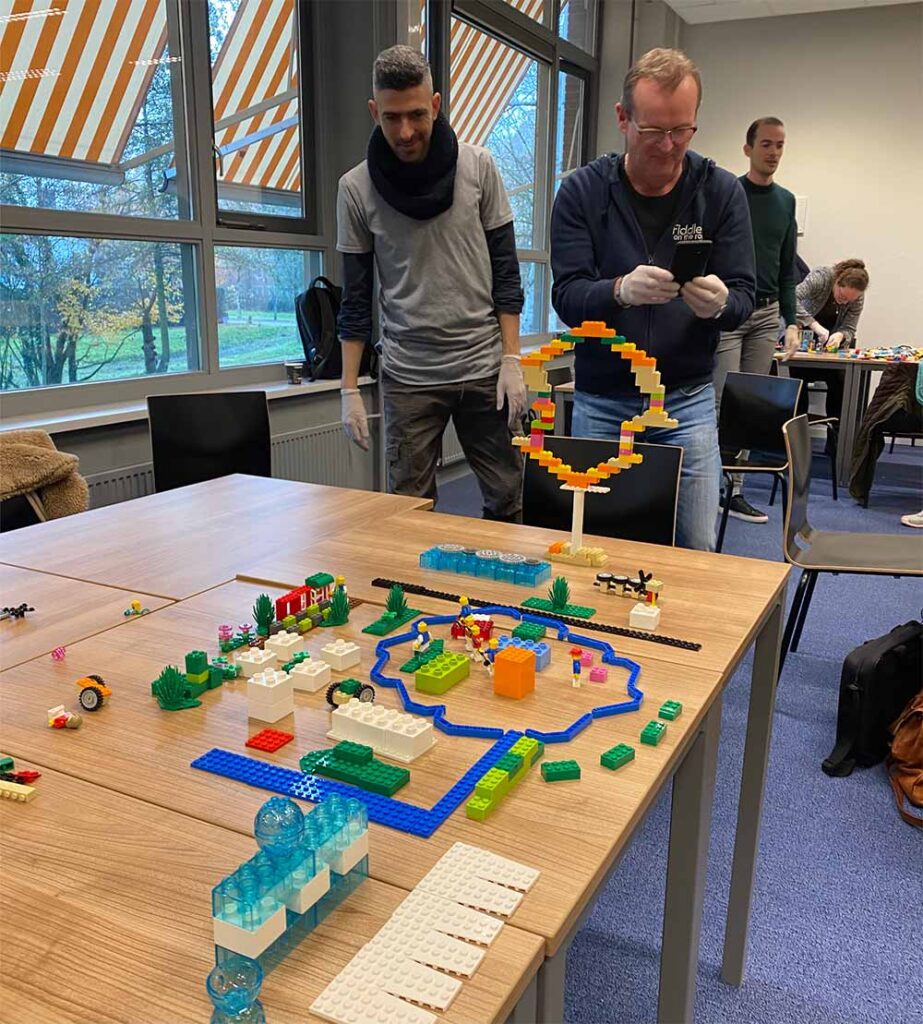
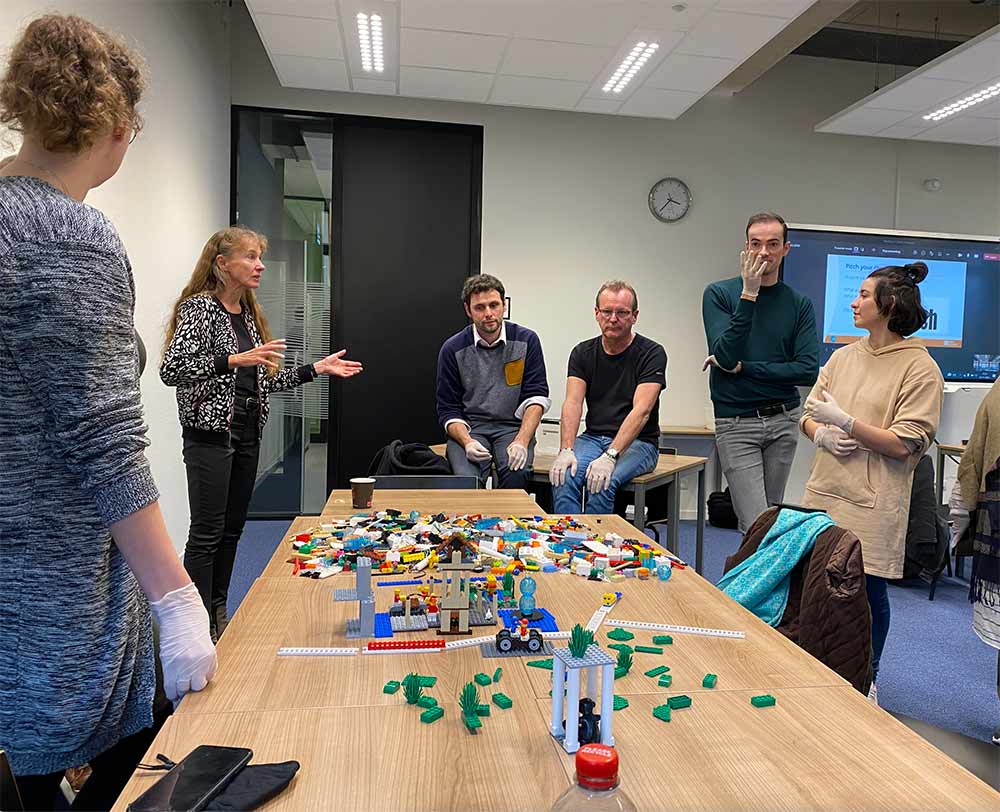
Playfulness is for everyone! By being playful we could approach our own visions for the future of the city of Breda. We envisioned what we would like to see more of in the city. By first prototyping our own city and sharing with others, the next phase was to build a common goal together. We could see how different perspectives arise at the table while playing with the Legos. Finally, we came up with the mix of ideas that worked the best and agreed on giving up some others that could not fit into the whole concept.
Practice makes perfect

By challenging our skills, we can reach for a level of flow when everyone is engaged in the game. By practicing a game, people can come to conclusions about complex problems and maybe gain some new insights into the real situation.

Designing

TRY SOMETHING NEW: Your won´t inspire others unless you can stoke your own fires. D. Gray ET AL., 2010. 

-The Journey-

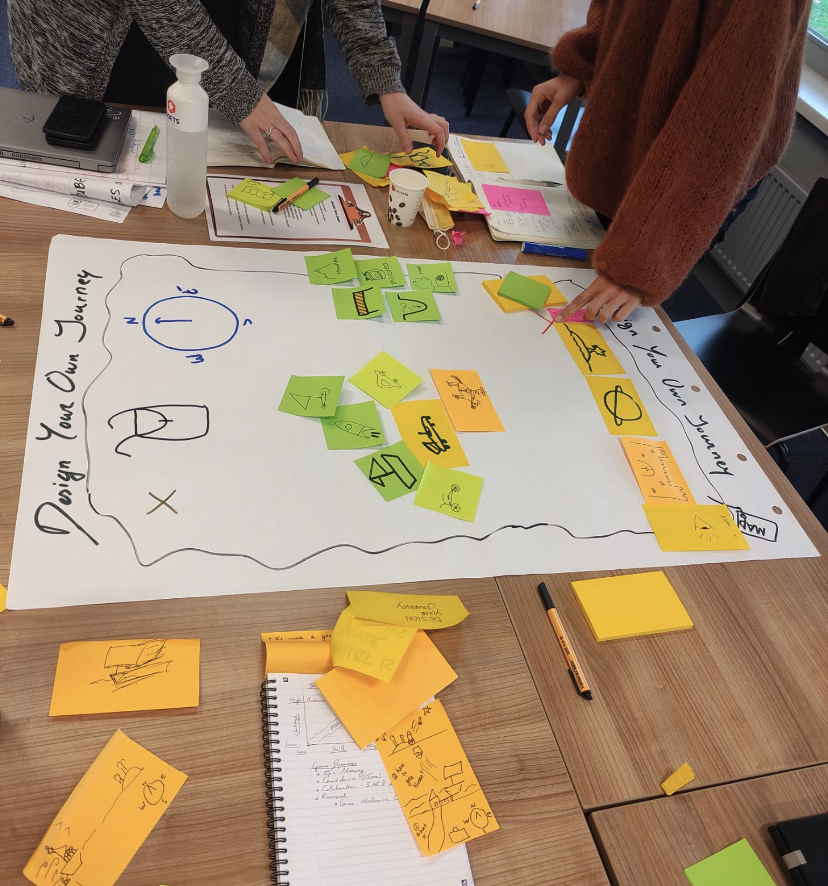
“Be in the NOW. Look around and grab something, patch it together, make a game from the simplest tools. The game will move you forward. You dont need to know the final destination: only the next step in the journey.”  

-D. Gray ET AL, 2010,

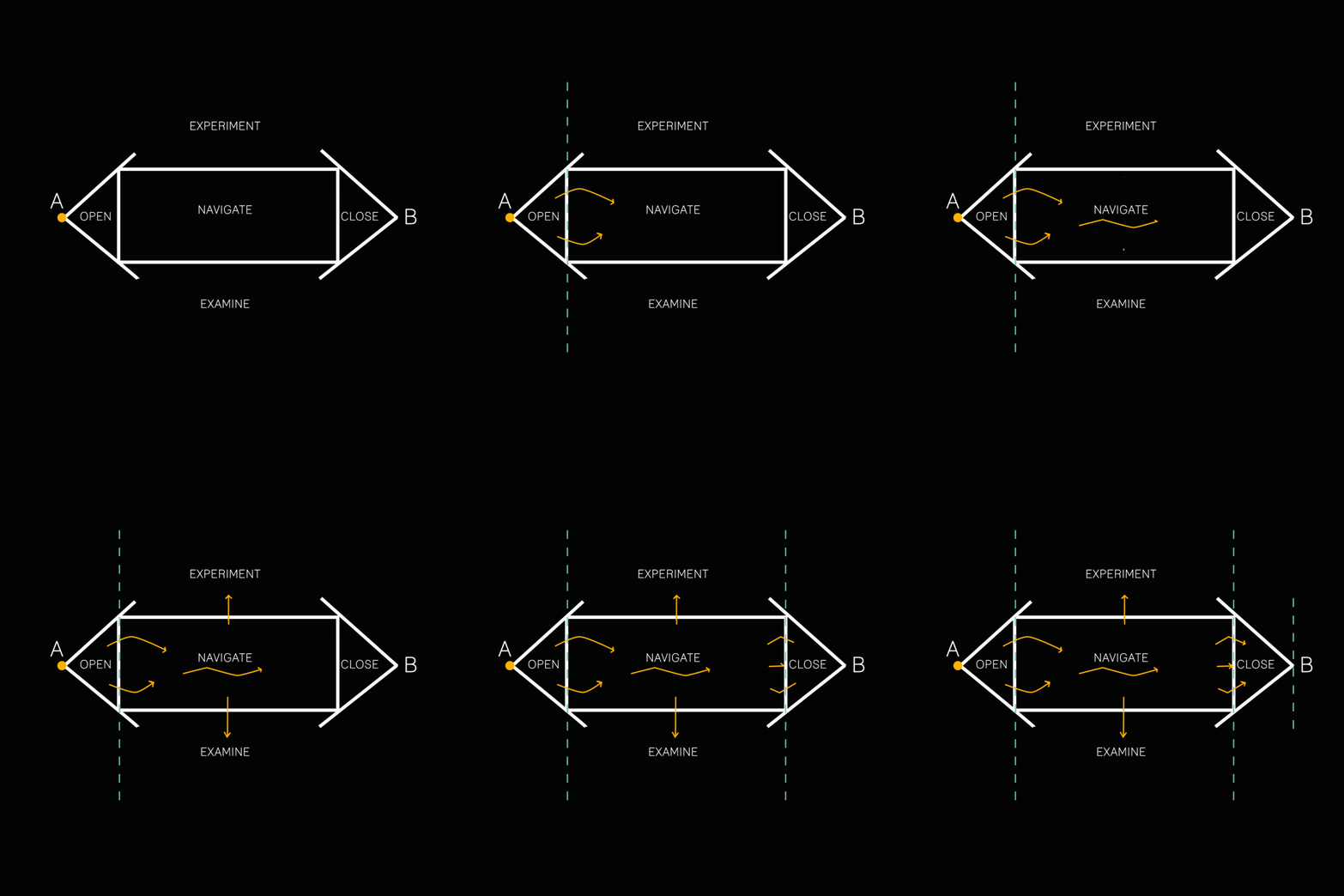
OPEN

ACT 1: Set the Stage


EXPLORE

ACT 2: Examine and Explore


CLOSE

ACT 3: Conclusions and Action